LEED Consultancy
Achieve successful green building certifications with expert LEED Consultancy services tailored to your sustainability goals.
Guidance on LEED certification, credits and documentation for building projects in Sweden, from ERKE's green building team.
Achieve successful green building certifications with expert LEED Consultancy services tailored to your sustainability goals.
LEED is a global certification for sustainable buildings, promoting energy efficiency, water conservation, and environmental responsibility.
LEED certification requires meeting prerequisites and earning points in energy efficiency, water conservation, and sustainable materials.
LEED certification levels Certified, Silver, Gold, and Platinum reflect a building’s sustainability, efficiency, and environmental impact.
Discover the most important credits for LEED Core & Shell projects, focusing on sustainability, energy efficiency, and material selection.
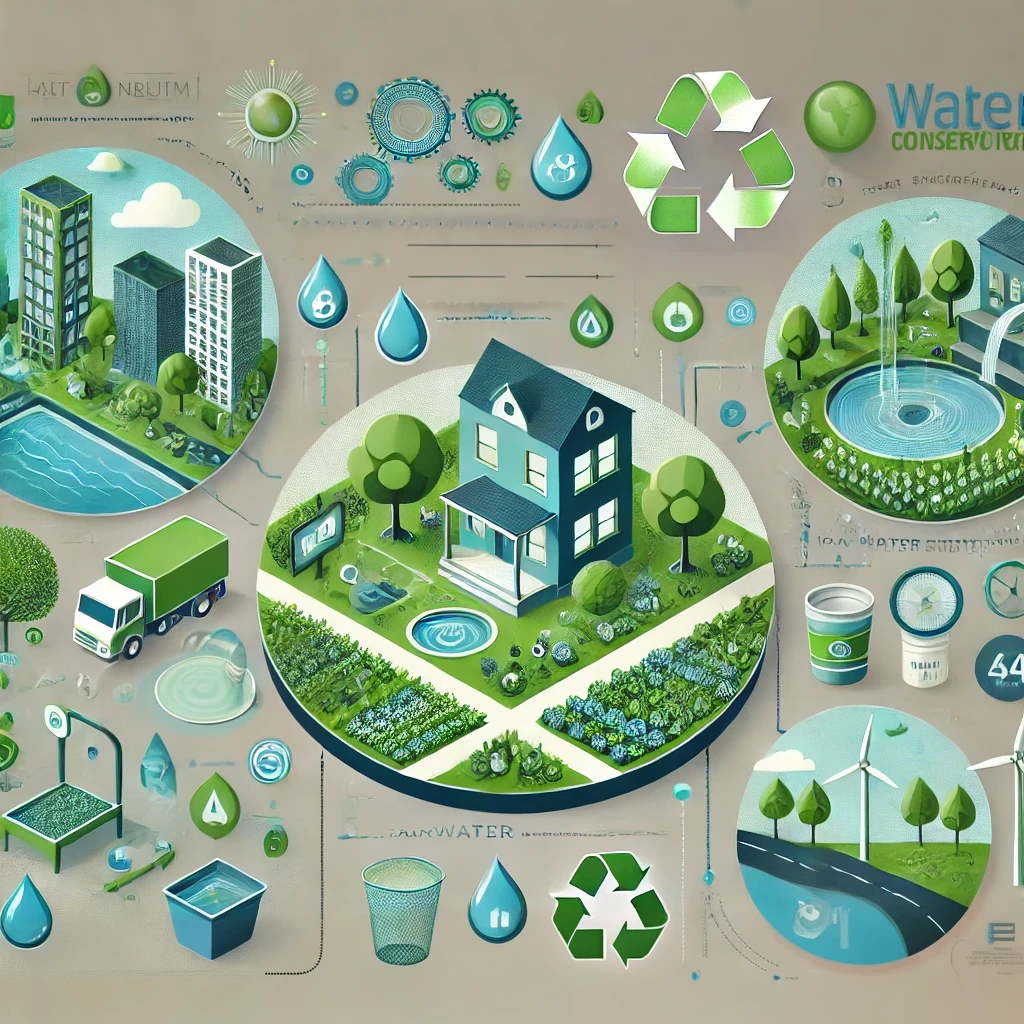
Discover key water conservation strategies for LEED certification, including efficient fixtures, rainwater reuse, and smart irrigation.
LEED certification is essential for advancing sustainable development by establishing environmental performance standards in the construction industry. It promotes the use of eco-friendly materials, energy-efficient systems, and sustainable practices to minimize environmental impact.
LEED Sweden
Since 2007, ERKE has completed 250+ projects in 15+ countries, including 25 LEED Platinum certifications.
We offer LEED Consultancy services to mark your buildings Green and applicable in the Green Buildings. With 250+ green building projects behind us, we understand all details on what Green Building Systems requires. We are here to make your buildings integrated with sustainable practices. LEED is a certification system that shows the environmental commitment of a Building.
LEED: Building a Greener Future.
The LEED (Leadership in Energy and Environmental Design) certification is a globally recognized standard for green buildings. Developed by the U.S. Green Building Council (USGBC), it provides a structured approach to designing, constructing, operating, and maintaining buildings with a focus on health, efficiency, and sustainability. Projects earn points in key areas such as energy efficiency, water conservation, indoor air quality, and material selection. The certification is awarded at Certified, Silver, Gold, and Platinum levels, reflecting a project's commitment to environmental responsibility and resource efficiency in the built environment.
Leadership in Energy and Environmental Design (LEED) is a globally recognized green building certification program that establishes standards for the design, construction, operation, and maintenance of environmentally responsible buildings. Developed by the U.S. Green Building Council (USGBC), LEED certification is recognized as a symbol of excellence in sustainable building practices. Its significance goes beyond environmental benefits, influencing economic growth, social well-being, and public health within communities.
LEED certification is awarded at four levels: Certified, Silver, Gold, and Platinum, based on the number of points a project earns. Points are distributed across key categories, including Sustainable Sites, Water Efficiency, Energy and Atmosphere, Materials and Resources, and Indoor Environmental Quality. The certification level reflects a project's commitment to sustainability and efficiency—the more points earned, the higher the certification. Certified is the entry-level, followed by Silver, Gold, and the highest distinction, Platinum, which requires the most points.
LEED certification offers significant benefits for both building owners and occupants by increasing property value and lowering operational costs through enhanced energy and water efficiency. It fosters a healthier indoor environment with improved air quality and natural lighting, leading to higher occupant productivity and well-being. LEED-certified buildings are more attractive to high-quality tenants and may qualify for tax incentives and rebates. Additionally, the certification highlights a commitment to sustainability, strengthening marketability while helping owners comply with regulatory requirements and corporate sustainability goals. In the long run, LEED certification delivers both financial and environmental advantages.
LEED enhances water efficiency by integrating strategies that reduce consumption and promote sustainable water management. This includes low-flow fixtures, water-efficient landscaping, and advanced irrigation systems. LEED certification supports water-saving technologies to minimize potable water use and improve efficiency. It also encourages the use of alternative water sources, such as rainwater harvesting and greywater recycling. By adopting these practices, LEED-certified buildings can significantly lower their water footprint, resulting in cost savings and a reduced environmental impact.
Achieving LEED certification comes with several challenges, including meeting strict energy efficiency and sustainability standards, which can be both costly and complex. Project teams often struggle with gathering and managing extensive documentation required for certification. Incorporating sustainable practices into existing buildings, especially older structures, can be particularly difficult. Coordinating multiple stakeholders and addressing unexpected issues during construction or renovation add further complications. Additionally, ensuring ongoing compliance with LEED standards throughout the project lifecycle requires continuous effort and commitment.
LEED Sweden
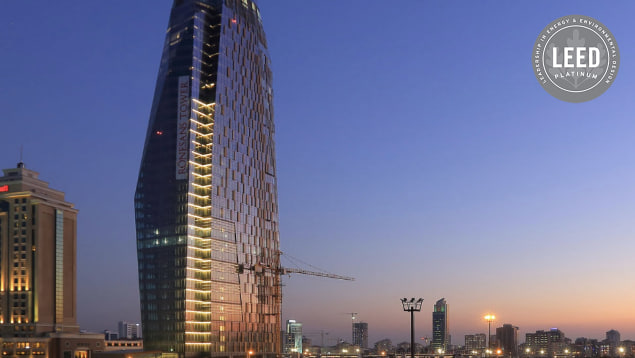
Area: 45.000 m²
Investor: Rönesans Holding
Location: Istanbul, Turkey
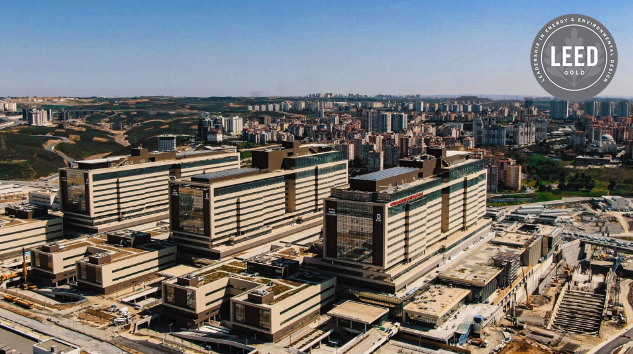
Area: 1.000.000 m²
Investor: Rönesans Holding
Location: Istanbul, Turkey
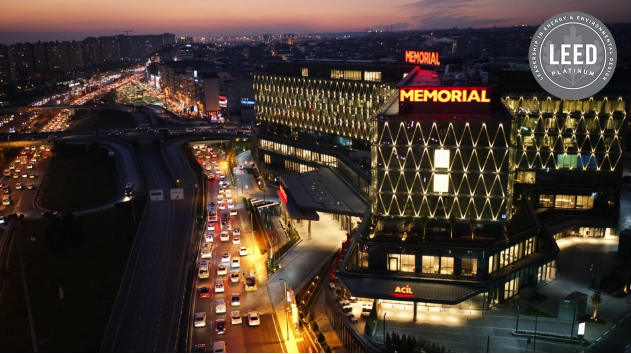
Area: 56.000 m²
Investor: Memorial
Location: Istanbul, Turkey
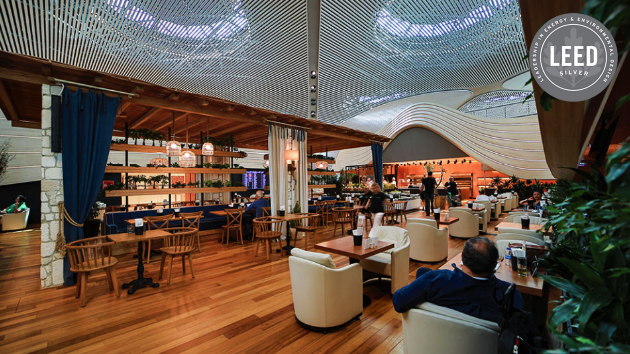
Area: 10.000 m²
Investor: THY
Location: Istanbul, Turkey
LEED Sweden
Achieve successful green building certifications with expert LEED Consultancy services tailored to your sustainability goals.
Discover key water conservation strategies for LEED certification, including efficient fixtures, rainwater reuse, and smart irrigation.
Discover the most important credits for LEED Core & Shell projects, focusing on sustainability, energy efficiency, and material selection.
Discover how Life Cycle Assessment (LCA) is used in LEED to optimize sustainability, reduce environmental impact, and earn credits.
Discover the key differences between LEED and EDGE certifications, their benefits, and which is best suited for your green building needs.
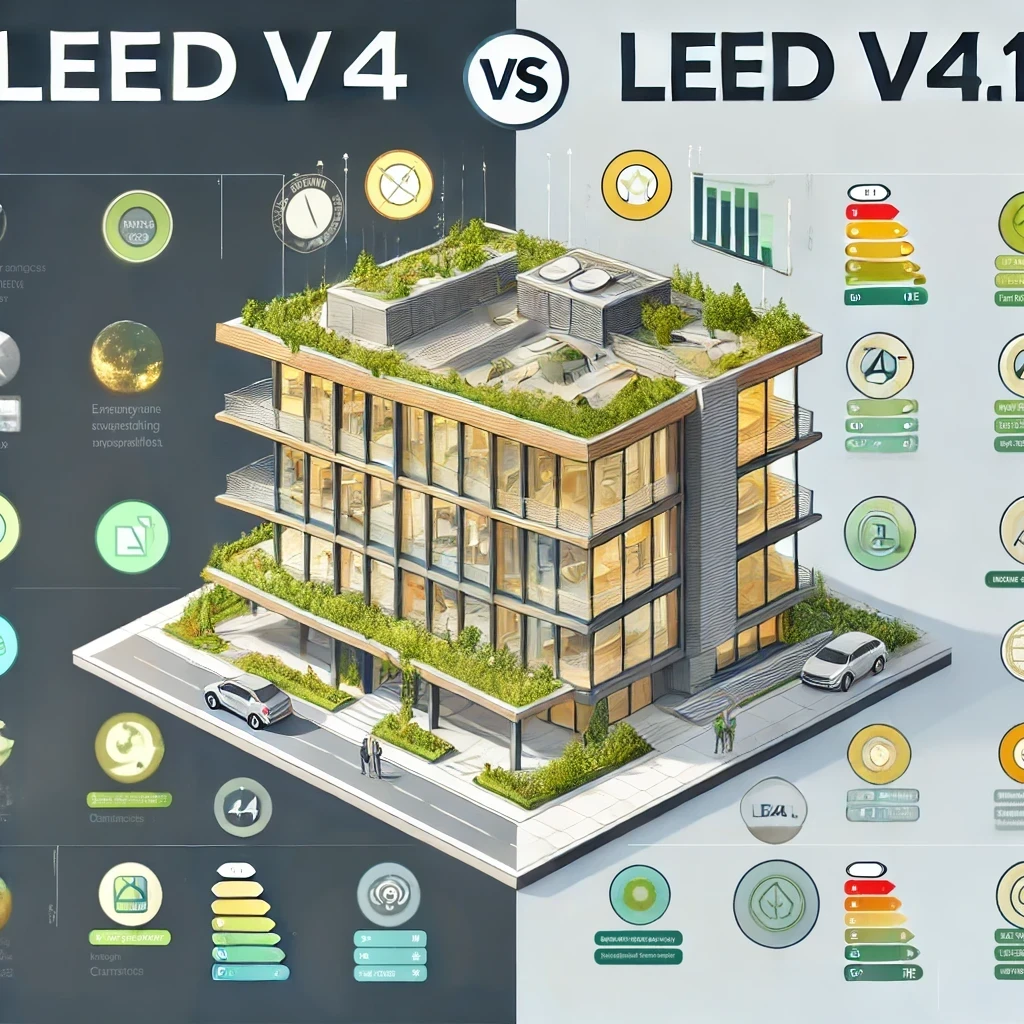
LEED v4.1 improves LEED v4 with flexible energy efficiency paths, updated material credits, and enhanced performance tracking.
LEED Sweden